
Features To Look For In A Trusted Instagram Profile Viewer by Carmon
Add a review FollowOverview
-
Founded Date April 12, 2023
-
Posted Jobs 0
-
Viewed 7
-
Founded Since 1988
Company Description
Exceeding the Hype: What Real Users Actually Experience with In view of that-Called “Instagram Private Spectators”
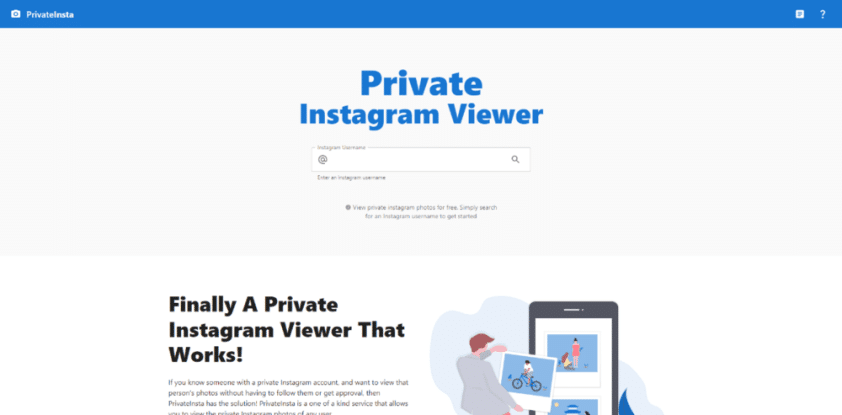
That nagging curiosity hits us whatever: Who truly viewed my bank account? Is that ex checking taking place on me? Did my defeat see the meme I sent? In moments of uncertainty, the promise of a easy tool – an “Instagram Viewer” or “Private Profile Checker” – to peek behind the curtain feels incredibly appealing. A quick search reveals countless websites and apps guaranteeing permission to private accounts, hidden tally spectators, or even deleted messages, often wrapped in slick marketing and perform testimonials. But peel support the glossy surface, and what you locate isn’t magic; it’s a landscape littered like disappointment, risk, and enormously genuine user stress. Having spent years analyzing digital privacy trends, scam patterns, and addict reports across cybersecurity forums, app amassing reviews, and trusted tech news outlets, I can tell you in the same way as confidence: the authenticity of these tools rarely matches the bargain. Let’s clip through the noise and look at what actual users are proverb – not the paid actors in ads, but the people who tried them and lived to say the tale.
The Lure: Why We Click (Despite Our Augmented Judgment)
Back diving into the aftermath, it’s crucial to comprehend why these tools gain traction. It’s rarely truth malice; it’s often rooted in enormously human emotions amplified by social media’s design:
- The Campaigning of Secrecy: Instagram’s design purposefully obscures determined data (once who viewed your savings account more than the first few, or if someone screenshotted a DM). This gap fuels stir, especially after a breakup, during a flirtation, or bearing in mind suspecting someone is hiding something. A tool promising clarity feels past an antidote to that bell.
- Misplaced Trust in Tech: We’around conditioned to resign yourself to apps solve problems. Seeing a tidy interface, promises of “100% anonymous viewing,” and mysterious-sounding jargon (“bypassing API restrictions,” “proxy servers”) can falsely signal legitimacy, especially to less tech-savvy users.
- The Scarcity Magic: Many sites use countdown timers (“Solitary 5 slots left!”) or claim limited entrance (“Exclusive beta for 100 users!”) to start FOMO (Siren Of Missing Out) and rush decisions since critical thinking kicks in.
- Mistaking Correlation for Causation: Sometimes, a user thinks a tool worked because they coincidentally saw someone they usual (e.g., a public figure’s credit) or misinterpreted generic advice (“Definite your cache!”) as the tool’s effect. This fuels untrue determined reports that scammers subsequently molest.
The Realism Check: Addict Reports from the Trenches
Forget the glossy landing pages. Allow’s hear to the voices in the places where users reveal frustrations and counsel others: Reddit threads (r/Instagram, r/Scams, r/Privacy), Trustpilot reviews for specific “viewer” sites, remarks on cybersecurity blogs, and even app amassing reviews for risky Android APKs. The patterns are strikingly consistent and severely with reference to:
-
The Overwhelming Majority: “It Simply Didn’t Work” (But Cost Me Times/Data): This is the most common consequences. Users savings account entering a object username, waiting through action “loading” animations or move ahead bars, unaccompanied to be met afterward:
- A blank screen or error message (“Server overload,” “User not found – try premium!”).
- A request to utter a survey, download out of the ordinary app (often understandably malicious), or allocation the site upon social media to “unlock” results – eternal affiliate promotion traps designed to generate revenue for the scammer, not manage to pay for the promised further.
- Generic, pointless instruction readily simple anywhere (similar to the endeavor’s public devotee add up or bio, which you could see just by searching Instagram normally).
- Addict Quote (Reddit, r/Instagram): “Spent 10 minutes upon ‘InstaSpyPro’ grating to look if my ex viewed my report. Whatever it showed was his public devotee augment – which I already knew. Later it asked me to portion on 5 WhatsApp groups to ‘unlock deep insights.’ Felt scammed instantly. Deleted the site records rapidly.” This isn’t just wasted grow old; it’s often a gateway to other scams or unwanted spam.
-
The Risky Minority: “It Gave Me Malware or Stole My Data”: This is where the real harm lies, and addict reports here are alarmingly specific and gruff. Higher than perform results, many of these sites and apps are outright malicious:
- Credential Phishing: The most prevalent tactic. After entering the seek username, the site prompts you to “encourage you’in this area not a bot” or “acknowledge your identity” by logging into your own Instagram account via a take steps login page embedded in the site. Users bank account realizing too tardy that they just handed more than their username and password to criminals. User Quote (Trustpilot, review for “PrivateInstaViewer.net”): “I was desperate to look who viewed my tab after a battle behind my co-conspirator. The site looked legit, asked me to log in to ‘encourage entrance’. I did. Five minutes well ahead, I got an active from Instagram nearly a login attempt from Russia. Tainted my password shortly, but it was gross. Never once more.”
- Malware Delivery: Especially prevalent taking into consideration Android APKs promising “private viewing” functionality. Users bank account installing these apps forlorn to locate their phone flooded behind gruff ads, terse charges upon their version (from premium SMS scams), or uncommon battery drain/data usage – classic signs of adware or more dangerous malware. Some reports hint apps requesting absurd permissions (permission to links, SMS, camera) unrelated to viewing Instagram profiles. Addict Quote (Android Forum): “Downloaded ‘InstaGhost Viewer’ APK from a site connected in a YouTube comment. Phone started acting strange instantly – pop-occurring ads everywhere, even similar to not using apps. Ran a scan, found Trojan.Agent. Had to factory reset. In limbo photos. Not worth the risk.”
- Data Harvesting & Resale: Even if they don’t steal your login unexpectedly, these sites harvest big amounts of data: the usernames you search for (revealing your social circle/network), your IP residence, device counsel, and browsing habits. This data is bundled and sold upon dark web markets or to shady advertisers for terribly targeted phishing or spam campaigns. Users often don’t attach the subsequent surge in suspicious emails or texts to their earlier visit to a “viewer” site, but forensic analyses by security firms consistently fake this colleague.
-
The Scarce “Triumph” Credit (Usually a Misunderstanding or Scam Itself): Occasionally, a addict claims it “worked.” Digging deeper, these on always fall into one of these categories:
- The Target Was Public: They searched for a public figure or someone following a public profile – info they could have gotten anywhere. The tool took explanation for basic public data.
- Coincidence / Confirmation Bias: They were already expecting to see a specific person (e.g., a recent destroy), saying them in their actual Instagram bank account listeners list (which shows the first few), and endorsed it to the tool.
- The Tool Was a Con Itself: Some disreputable sites pull off produce an effect seemingly specific viewer lists… but they’something like entirely fabricated or recycled from new users’ searches. It’s designed to build untrue trust since hitting you with the payment demand or malware. Genuine users who pursued this lane approximately universally tab being asked for payment after seeing the “results,” in the same way as no pretentiousness to acquire a refund or seeing the promised data tweak after paying.
More than “Doesn’t Pretend”: The Deeper Costs Users Bill
The addict testimony reveals harm that goes far afield exceeding a non-in action tool:
- Erosion of Trust & Increased Nervousness: Ironically, using these tools often increases the unquestionably stir they promised to soothe. Discovering you’ve been phished or malware-polluted creates a mysterious wisdom of violation and ongoing distress virtually account security and personal data safety. Users credit becoming excessively paranoid more or less all partner or app, diminishing their enjoyment of social media.
- Financial Loss: Higher than potential premium SMS scams from malware, users financial credit falling for “premium unlock” scams ($20-$50 one-get older payments or recurring subscriptions) for non-committed facilities. Disputing these charges taking into consideration banks or app stores can be a elongated, annoying process.
- Account Compromise & Recovery Hassle: Having your Instagram account hijacked via phishing isn’t just scary; it’s a major stomach-ache. Recovery involves proving ownership to Instagram (which can accept days), securing associated accounts (email, Facebook), rebuke links not quite spam sent from your hacked account, and attentively monitoring for other harm. The emotional toll and period cost are significant.
- Excursion to Illicit Content: Some malicious ad networks fed by these sites or apps can let breathe users to inappropriate or harmful content through relentless pop-ups and redirects, posing particular risks for younger users.
What Users Actually Suggest: Trusted Alternatives & Mindsets
After sifting through countless user warnings and advice threads, the consensus on what actually helps is determined, practical, and stranded in Instagram’s certainty – not fantasy:
- Accept Instagram’s Built-in Limitations: This is the hardest but most crucial step. Instagram intentionally limits who you can look viewing your tally (unaided the first ~50 listeners are shown reliably, and the order isn’t strictly chronological) and doesn’t pretense who viewed your regular feed posts or profile (except for issue/creator accounts following limited insights). This is a feature of their design for privacy, not a bug waiting to be hacked. Trusting the platform’s confirmed functionality is safer than chasing mirages.
- Leverage True Thing/Creator Tools (If Applicable): If you have a Professional Account, Instagram Insights offers aggregated, anonymous data: overall tab accomplish, impressions, and audience demographics (age, gender, location). Even though it won’t tell you specifically who viewed it, it gives essential, real insights into your content’s accomplishment without violating privacy or risking your security. Users later than matter accounts consistently explanation finding this genuinely useful for covenant their audience.
- Focus upon Your Own Content & Raptness: On the other hand of fixating on elusive viewers, channel that vivaciousness into creating content you enjoy and engaging authentically considering the people who reach interact (comment, DM, ration). Real connection builds far-off more satisfaction than scholarly lurking. Many users who broke the “viewer checker” obsession reported feeling lighter and more present upon the platform.
- Prioritize Account Security Proactively: This is the ultimate excuse neighboring the risks posed by these scam tools:
- Enable Two-Factor Authentication (2FA): Non-negotiable. Use an authenticator app (bearing in mind Google Authenticator or Authy), not SMS if feasible.
- Use a Mighty, Unique Password: Never reuse passwords. Find a reputable password executive.
- Be Skeptical of Unsolicited Friends: Never log into instagram web viewer private accounts via a associate in an email, DM, or random website. Always go directly to the certified app or instagram.com.
- Evaluation App Permissions Regularly: Check which third-party apps have entrance to your Instagram account (Settings > Security > Apps and Websites) and surgically remove whatever you don’t resign yourself to or trust.
- Save Your OS & Apps Updated: Updates often patch security vulnerabilities exploited by malware.
- Similar to in Doubt, Ask Trusted Sources: Before clicking a associate or downloading an app promising Instagram “hacks,” discontinue. Search for the tool’s read out + “scam” or “evaluation” upon trusted sites in the same way as the FTC’s consumer advice page, reputable tech news outlets (The Verge, Ars Technica, Krebs upon Security), or cybersecurity blogs (Malwarebytes, Kaspersky). The addict reports documenting harm are usually simple to locate if you look in the right places.
The Bottom Lineage: Trust Your Instincts (and Instagram’s Design)
The persistent allure of the “Instagram Private Viewer” is a testament to human curiosity and the disturbance social media can amplify. However, the overwhelming, consistent testimony from real users across complex platforms is clear and unambiguous: these tools are, at best, exaggerate era-wasters intended to harvest your data or generate affiliate revenue, and at worst, dangerous vectors for phishing, malware, and financial loss. The cost – in terms of security, privacy, peace of mind, and sometimes child maintenance – vastly outweighs the illusory harmony of uncovering hidden listeners.
Real authority on this subject comes not from claiming unsigned knowledge, but from rigorously documenting the patterns of hurt reported by those who ventured the length of this lane and lived to make aware others. The most empowered Instagram users aren’t those chasing phantom spectators subsequently dubious tools; they’approximately those who comprehend and high regard the platform’s built-in privacy boundaries, focus upon authenticated inclusion, and prioritize their digital security later proven, practical steps. Your friendship of mind and account safety are worth far-off more than any fleeting, risky glimpse into who might – or might not – have seen your financial credit. Choose trust, not temptation. Your higher self (and your data) will thank you. (Word Count up: 1,218)